Roof ventilation helps homeowners in Lexington, KY manage attic conditions during the transition from late-summer heat to cooler fall weather. Balanced airflow reduces attic heat, lowers cooling demand, prevents condensation, and limits conditions that contribute to mold and wood rot. It also protects asphalt shingles, supports insulation effectiveness, and prepares the roofing system for seasonal temperature changes.
Key Takeaways
- Roof ventilation reduces late-summer attic heat by moving hot air out of the attic.
- Improved attic airflow reduces cooling demand and enhances energy efficiency during hot weather.
- Proper ventilation prevents condensation and reduces conditions that contribute to mold growth and wood rot.
- Managing attic heat and moisture helps extend the lifespan of asphalt shingles and protect the effectiveness of insulation.
- Balanced ventilation prepares the roofing system for cooler fall weather as temperatures and humidity levels change.
7 Ways Roof Ventilation Benefits Lexington Homes in Late Summer
Late-summer heat and humidity can place added stress on attic and roofing components in Lexington. Proper ventilation creates consistent airflow that helps control these conditions. These seven benefits explain how balanced attic ventilation supports the roofing system before fall arrives.
Reduces Late-Summer Attic Heat
Proper ventilation moves hot attic air through exhaust vents while intake vents bring cooler air into the space. During Lexington’s late-summer heat, this continuous exchange limits excessive attic temperatures. Reducing trapped heat also limits unnecessary heat stress on roofing components.
Lowers Cooling Demand and Energy Costs
A hot attic can increase the amount of heat transferred toward the home’s living areas. Proper ventilation releases trapped attic heat, which can reduce the cooling demand placed on HVAC equipment. This supports roof ventilation and energy efficiency during Lexington’s warmer late-summer conditions.
Prevents Attic Condensation
Humid air can create condensation issues as late-summer temperatures give way to cooler nights. Balanced ventilation moves moisture-laden air through the attic instead of allowing it to remain trapped. Preventing attic moisture buildup helps protect rafters, roof decking, and other attic components.
Reduces Mold and Wood-Rot Risk
Persistent moisture can create conditions that support mold growth and wood decay inside an attic. Proper airflow helps remove excess moisture before it remains trapped against wooden roofing components. Controlling attic moisture reduces the conditions that can contribute to deterioration over time.
Extends Asphalt Shingle Lifespan
Excessive attic heat and moisture can accelerate wear on asphalt roofing materials. Proper ventilation reduces exposure to these conditions and supports extending roof shingle lifespan. If heat or moisture has already affected roofing materials, a professional roof repair assessment can help identify areas that need attention before damage progresses.
Protects Insulation Effectiveness
Attic insulation performs more effectively when excessive heat and moisture do not interfere with its condition. Balanced ventilation helps maintain a more stable attic environment and limits moisture accumulation around insulation. This supports insulation performance while reducing unwanted heat transfer between the attic and living spaces.
Prepares the Roofing System for Cooler Fall Weather
Balanced ventilation helps the attic adjust as Lexington moves from hot, humid late-summer conditions toward cooler fall temperatures. Consistent airflow controls heat and moisture during this transition and reduces abrupt changes in attic conditions. Routine roof maintenance can also identify ventilation issues and prepare your roof for fall weather.
When to Have Your Ventilation Checked
Late summer offers a practical opportunity to evaluate attic ventilation before temperatures consistently begin to fall. Timing an inspection around seasonal changes, severe weather, and routine maintenance can help keep airflow working as intended.
After a Hot Kentucky Summer
Extended summer heat can push attic temperatures beyond normal levels and expose ventilation weaknesses. A professional roof inspection after a hot Kentucky summer can identify trapped heat and airflow issues before cooler weather increases the risk of condensation.
Following Storm or Hail Activity
Storms and hail in Central Kentucky can affect vents and airflow pathways across the roofing system. Reviewing these areas after severe weather helps identify damage that could disrupt the balance of ventilation and interfere with proper airflow.
Before Heating Systems Are Used Regularly
As outdoor temperatures drop, warm, moisture-laden indoor air can move toward cooler attic spaces. Checking ventilation before heating systems are used regularly helps reduce the risk of condensation forming on cooler attic surfaces.
During Pre-Fall Roof Maintenance Checks
Routine pre-fall maintenance provides an opportunity to evaluate ventilation alongside other roofing components. Checking airflow during this period helps prepare the roofing system for seasonal changes in temperature and moisture in Lexington.
Stop Hidden Attic Moisture Before It Damages Your Lexington Roof This Fall
Craftsmen Roofing and Exteriors helps Lexington homeowners stay ahead of hidden attic moisture with detailed roof ventilation assessments that reduce long-term damage and improve overall home efficiency before fall conditions set in. This process gives you clear insight into what your roof needs now so you can avoid costly issues later.
Contact us to schedule your inspection before seasonal changes take hold.
Frequently Asked Questions
What are the benefits of roof ventilation?
Roof ventilation controls attic heat and moisture while supporting energy efficiency, asphalt shingles, and insulation performance. For Lexington homes, balanced airflow also reduces condensation and conditions that can contribute to mold growth or wood decay.
How does roof ventilation improve energy efficiency?
Ventilation reduces heat buildup in the attic and allows HVAC systems to operate more efficiently. This approach helps maintain consistent indoor temperatures and can reduce cooling demand during warm seasons in Kentucky homes.
Why is attic ventilation important in Kentucky homes?
Kentucky’s humid summers and cooler fall conditions can create moisture concerns in the attic. Proper ventilation regulates airflow, reduces condensation, and helps protect roofing components from trapped heat and moisture.
What is the difference between ridge vents and soffit vents for homes?
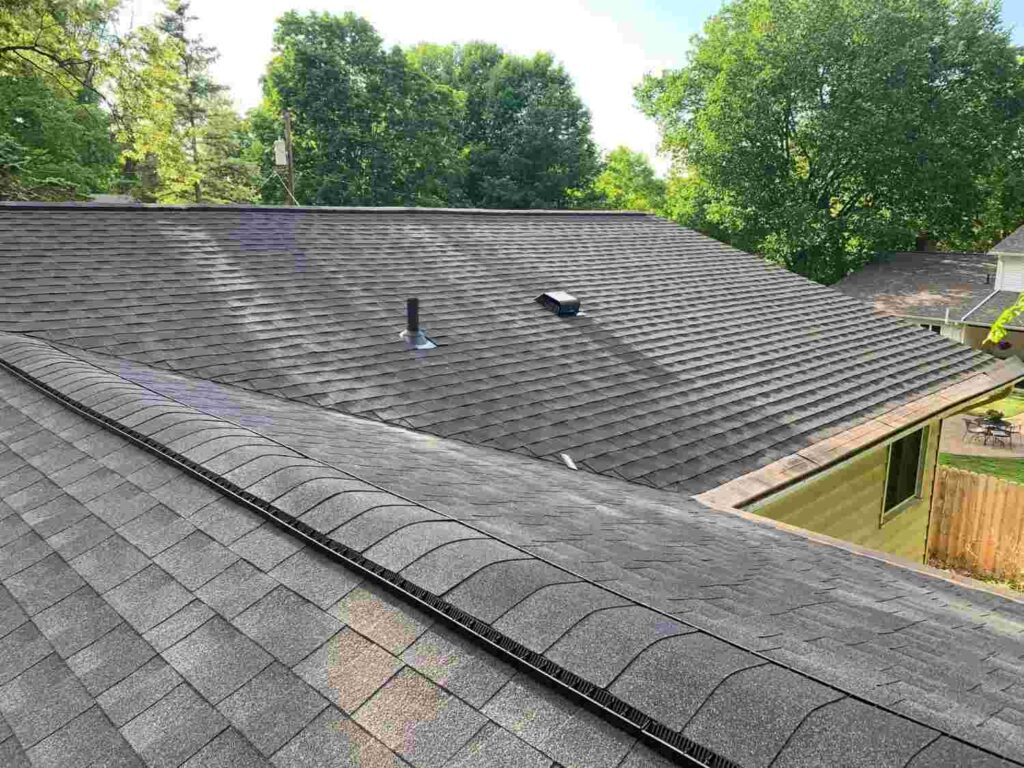
Ridge vents release warm air near the roof peak, while soffit vents bring cooler air into the attic from below. Together, they create balanced airflow that helps maintain more consistent attic conditions.