Ice dam prevention for Williamstown, KY, homes starts before freezing weather arrives. Northern Kentucky winters can bring snow, freezing rain, and frequent temperature changes. These conditions increase the risk of ice buildup along roof edges. When trapped meltwater reaches vulnerable roofing areas, it can damage ceilings, insulation, and interior walls.
Homeowners can reduce winter roofing risks through proper attic conditions, seasonal maintenance, and timely repairs.
Key Takeaways
- Ice dams form when melted snow refreezes along colder roof edges and blocks drainage.
- Attic insulation, air sealing, and roof ventilation address different factors that contribute to ice dam formation.
- Seasonal roof maintenance helps protect drainage systems, roofing materials, and vulnerable roof connections.
- Early inspections and targeted repairs help homeowners address damage before winter conditions worsen.
How Williamstown Homeowners Can Prevent Ice Dams and Roof Damage
Ice dam prevention starts with understanding how heat, snow, and freezing temperatures interact. These measures address specific causes and warning signs of winter roof damage.
Understand What Causes Ice Dams on Roofs
Understanding what causes ice dams on roofs helps homeowners recognize conditions that encourage ice buildup. Heat from the home can melt snow on warmer roof sections.
Meltwater then travels toward colder eaves, where it freezes. As ice accumulates, it creates a barrier that prevents additional meltwater from draining. Water trapped behind this barrier may eventually reach the roof decking.
Improve Attic Insulation to Reduce Heat Loss
Attic insulation and ice dam prevention depend partly on adequate thermal resistance. Insulation slows heat transfer through the ceiling between living spaces and the attic. Check whether insulation covers the attic floor evenly and reaches recommended levels.
Compressed, missing, or displaced insulation reduces its effectiveness. A qualified insulation professional can assess coverage and recommend improvements suited to the home’s construction.
Seal Air Leaks Around Attic Openings
Air sealing targets openings that allow heated indoor air to enter the attic. Inspect accessible gaps around plumbing penetrations, electrical fixtures, and attic access panels. These openings can allow concentrated streams of warm air to reach the roof structure.
Seal suitable gaps with materials designed for their specific locations. Hire a qualified professional for openings near heat-producing fixtures or other areas requiring specialized treatment.
Maintain Proper Roof Ventilation
Roof ventilation and ice dams are connected through attic airflow. A balanced system uses intake vents near the eaves and exhaust vents near the roof’s upper sections. These openings help outside air move through designated ventilation pathways.
Insulation, stored materials, or debris can obstruct airflow and reduce system performance. A roofing professional can assess vent placement, airflow restrictions, and the system’s overall balance.
Understand How Freeze-Thaw Cycles Affect Your Roof
Freeze-thaw cycles and roof damage often become concerns during Northern Kentucky winters. Afternoon temperatures may rise above freezing, then drop again overnight. Moisture inside existing cracks can freeze, expand, and place pressure on surrounding materials.
Repeated expansion may enlarge small openings or weaken exposed components. Unlike ice dams, this process can damage roofing materials without creating an ice barrier along the eaves.
Watch for Signs of Ice Dam Damage
Signs of ice dam damage often develop near roof edges and adjoining interior surfaces. Watch for thick ice ridges along the eaves and water stains beneath exterior rooflines. Peeling paint or damp ceiling materials may indicate moisture intrusion.
Icicles alone do not confirm an ice dam. However, persistent ice buildup accompanied by interior water damage warrants a professional roof inspection to identify possible moisture intrusion.
Avoid Dangerous Ice Removal Methods
Improper ice removal can damage roofing materials and create serious injury risks. Hammers, sharp tools, and aggressive scraping can puncture shingles or loosen protective components. Walking on an icy roof increases the risk of falling.
Some household deicing chemicals may also damage roofing materials or nearby surfaces. Contact a qualified roofing professional when significant ice buildup requires attention.
Essential Winter Roof Maintenance Steps Before Freezing Weather Arrives
Winter roof maintenance in Williamstown, KY should account for freezing rain, occasional snow accumulation, and changing temperatures. Complete these tasks before winter weather makes roof access more hazardous.
Schedule a Professional Roof Inspection
A professional inspection provides an overall assessment of your roof’s condition before winter. Williamstown homeowners should schedule inspections before Northern Kentucky’s winter weather settles in.
Roofing contractors examine exposed materials, roof transitions, and areas that experience regular weather exposure. They document visible deterioration, loose components, and conditions requiring closer evaluation. Share the roof’s age and any history of storm damage. Use the findings to prioritize repairs before freezing temperatures become frequent.
Clean Gutters and Remove Debris
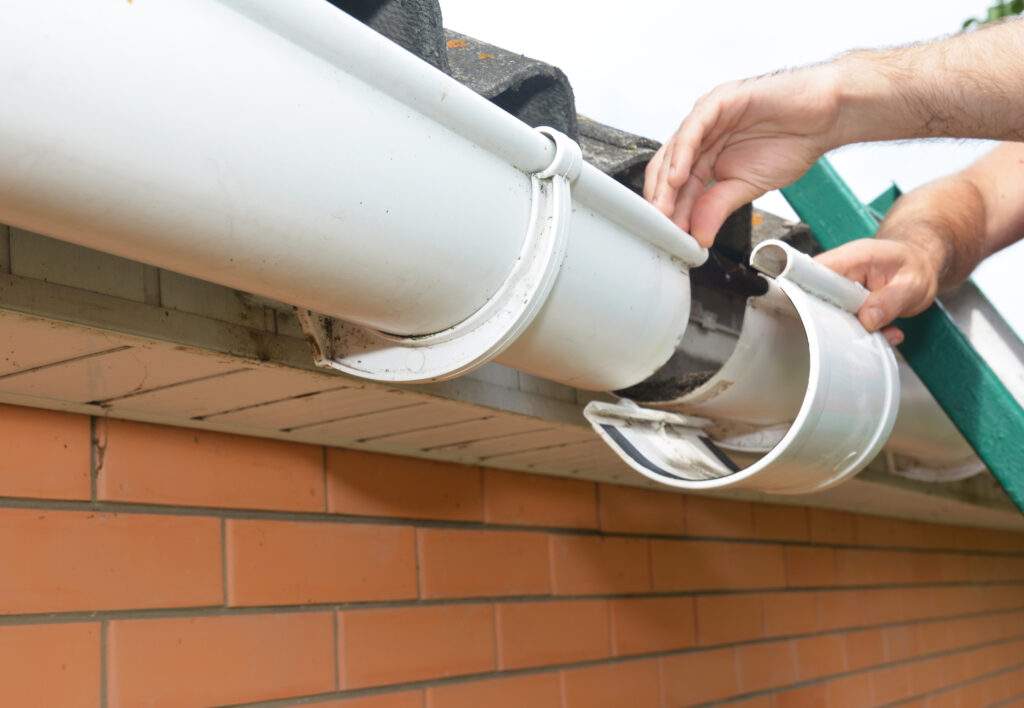
Fallen leaves and twigs can collect in gutters throughout autumn. Williamstown homes near mature trees often collect heavy leaf debris during the fall. These obstructions prevent rainwater and melting snow from moving toward drainage outlets.
Regular gutter maintenance includes removing accumulated debris and flushing accessible drainage channels. Professional cleaning offers a safer option for elevated gutters or difficult rooflines.
Inspect Flashing Around Roof Openings
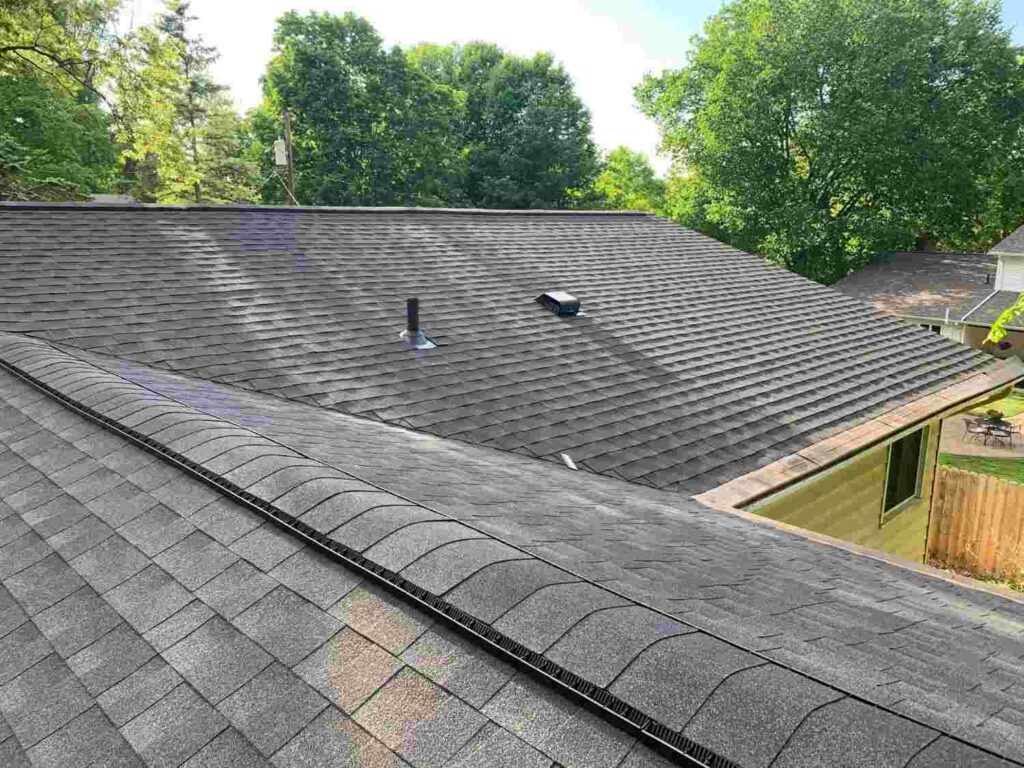
Flashing protects roof connections around chimneys, vents, and adjoining walls. Wind-driven rain and melting snow can exploit gaps around damaged flashing. From a safe location, look for visible separation, corrosion, or displaced metal.
Pay particular attention to connections where different roof surfaces meet. A qualified roofer can examine concealed areas and restore compromised flashing before winter precipitation arrives.
Repair Missing or Damaged Shingles
Missing, cracked, or lifted shingles expose underlying roof layers to weather. Autumn winds may loosen weakened shingles before the first winter storm.
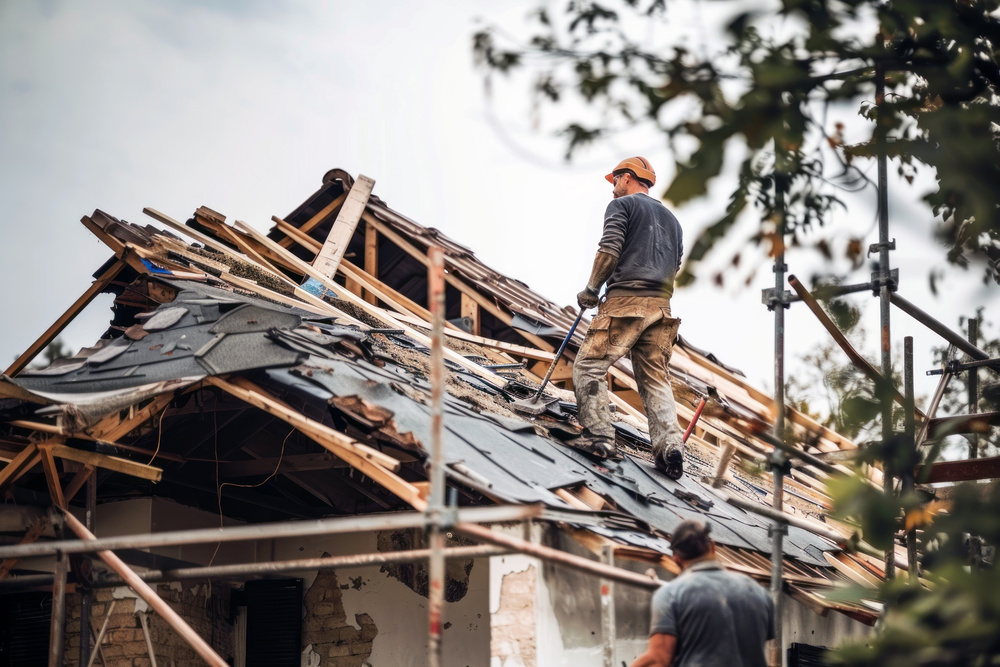
Look for displaced materials or damaged shingle edges from the ground. Replace shingles when needed while roofing surfaces remain accessible and relatively dry. Replacing affected shingles helps restore protective coverage before snow or freezing rain arrives.
Check Your Attic for Moisture
Inspect accessible attic areas for condensation, damp insulation, and stained wood. Check whether bathroom exhaust fans discharge outdoors rather than into the attic. Indoor humidity and poorly directed exhaust air can contribute to moisture accumulation.
Note persistent musty odors or visible changes in wood surfaces. A qualified professional can determine whether the moisture comes from indoor conditions or an exterior leak.
Check Gutters and Downspouts for Loose Connections
Gutter attachments must support drainage components during winter precipitation. Inspect brackets, joints, and downspout connections for visible movement or separation. Snow and ice can increase the weight placed on weakened fasteners.
Sagging gutters may also lose the slope needed for effective drainage. Secure loose components and correct misaligned sections before additional winter weight develops.
Trim Branches That Threaten Your Roof
Freezing rain can coat branches with ice and increase their weight. Weak or damaged limbs may break and strike shingles, gutters, or other exterior components. Inspect trees near the roof for dead branches and visible structural defects.
Arrange trimming before winter storms increase the likelihood of falling debris. Hire qualified tree professionals for elevated branches or work near electrical lines.
Plan for Safe Snow Management
Snow accumulation affects roofs differently depending on their design and structural condition. Wet snow can place substantial weight on vulnerable roofing systems. Watch for unusual sagging, new interior cracks, or other signs of structural distress.
A qualified professional can evaluate concerning conditions and determine whether removal is necessary.
Address Previous Roof Leaks Before Winter
To prevent roof leaks from ice dams, correct known water entry points before freezing weather. Review previous leak locations and record when water appeared. Note whether the problem followed heavy rain, wind-driven precipitation, or melting snow.
Give this information to your roofing contractor to help narrow the investigation. Complete recommended roof repairs before repeated winter precipitation exposes the same weaknesses.
Keep Winter Roof Damage From Becoming Your Next Major Repair
Craftsmen Roofing and Exteriors helps Williamstown homeowners prepare for winter with professional roof inspections, targeted repairs, and dependable roofing solutions. Our team evaluates roofing materials, drainage concerns, and vulnerable connections before severe weather arrives.
We explain our findings and recommend repairs based on your roof’s actual condition. Contact us today to schedule a free roof inspection and address potential problems before the next winter storm.
Frequently Asked Questions
What causes ice dams to form on roofs during winter?
Heat escaping from living spaces can melt snow on warmer roof sections. Meltwater then refreezes along colder eaves, creating an ice barrier that prevents proper drainage.
How can homeowners prevent roof leaks caused by ice dams?
Maintain adequate attic insulation, seal unwanted air leaks, and keep ventilation pathways clear. Repair vulnerable roofing components before winter to reduce potential water entry points.
What are the warning signs of winter roof damage?
Watch for ceiling stains, damp insulation, loose shingles, and damaged flashing. Thick ice ridges near roof edges may also indicate drainage problems that require professional attention.
When should homeowners schedule a winter roof inspection?
Williamstown homeowners should schedule an inspection during fall, before freezing temperatures become frequent. Request another assessment after severe storms, visible roofing damage, or unexplained interior moisture.