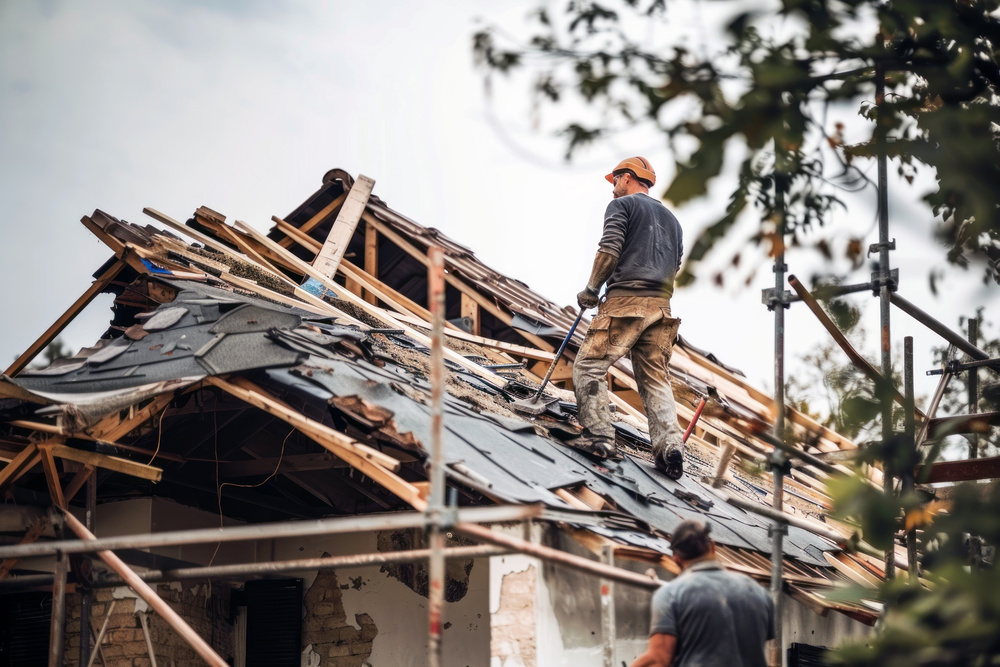
Gutter replacement before winter can help Richmond, KY, homeowners prevent drainage problems during colder months. Late-fall rain can expose weak seams, poor alignment, and slow drainage. Freezing temperatures can then place more stress on damaged sections.
Overflow may reach fascia, siding, landscaping, and areas near the foundation. Replacing failing gutters early gives homeowners more time to prepare. It also reduces the risk of unexpected drainage issues during winter.
Key Takeaways
- Sagging, leaking, separated, or damaged gutters may require replacement before winter weather arrives.
- Older gutters can lose drainage efficiency as damaged sections interfere with proper water flow.
- Replacing failing gutters before winter can reduce the risk of more disruptive drainage problems.
- Richmond homeowners should assess the entire gutter system instead of focusing on one damaged section.
Warning Signs Richmond Homes Need New Gutters Before Winter
Late-fall rain and colder temperatures can expose gutter problems that seemed minor earlier in the year. Freeze-thaw conditions can also add stress to weakened sections. Reviewing your gutter system before winter helps identify problems before colder weather makes them harder to manage.
Sagging Gutters Are Losing Proper Alignment
Sagging gutters before winter deserve prompt attention. Gutters need proper alignment to move runoff toward the downspouts. Low sections can trap water instead. Water and fallen debris then add weight to weakened areas. Freezing moisture can place even more stress on these sections. A roof inspection can also help identify nearby roofline concerns when you see gutter problems.
Cracks and Separated Sections Can Allow Water to Escape
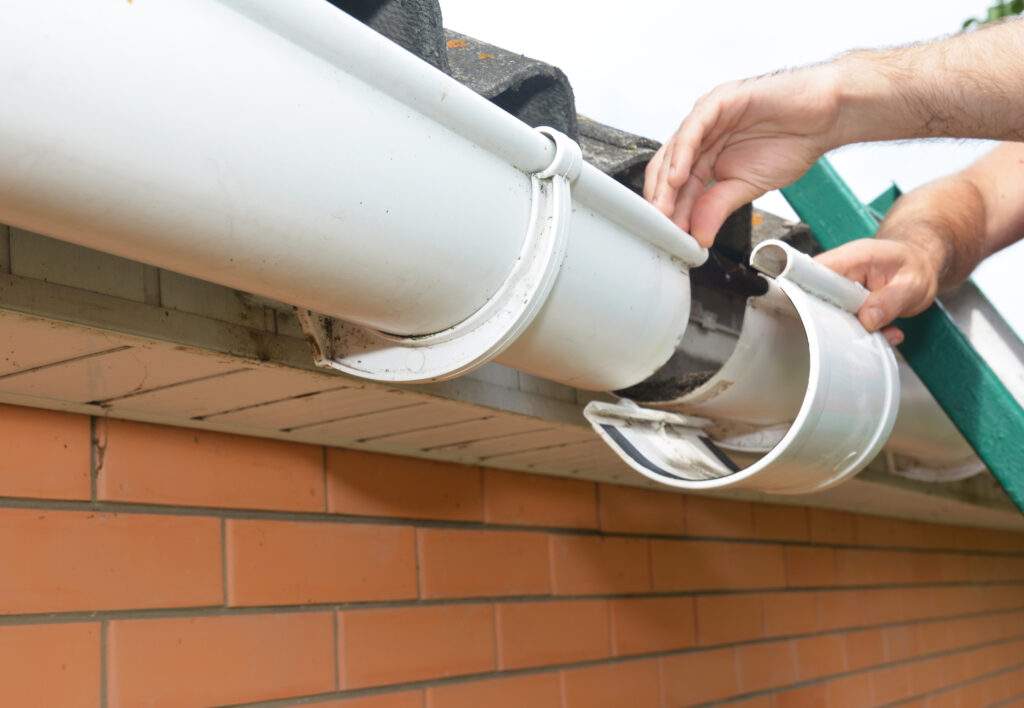
Cracks and separated seams can disrupt normal gutter drainage. Water may escape before it reaches a downspout. Runoff can then reach fascia, siding, landscaping, or areas near the foundation.
Repeated fall rain can increase moisture exposure around these areas. Several damaged sections may signal broader deterioration. In that situation, replacement may provide better value than repeated repairs.
Recurring Overflow Can Signal a Larger Drainage Problem
One overflow event does not always mean gutters need replacement. Leaves and seasonal debris may simply block water flow. Recurring overflow after cleaning deserves closer attention. Poor pitch or damaged sections may prevent water from draining correctly.
Standing water can also contribute to gutter ice buildup in winter. Homeowners should address persistent overflow before freezing conditions arrive.
Rust and Widespread Corrosion Can Signal Gutter Deterioration
Minor surface wear does not automatically require gutter replacement. Widespread corrosion and deterioration deserve closer attention. Holes, weakened joints, and recurring leaks can reduce drainage performance. These problems may affect several gutter sections at once.
Replacement Timing and Priorities Before Winter Weather Arrives
Fall provides a useful window for identifying gutter problems before colder weather settles across Central Kentucky. Coordinating roof maintenance with seasonal gutter checks can also help homeowners review connected exterior drainage concerns. Waiting until winter can turn a manageable drainage problem into a bigger disruption.
Schedule Replacement Before Repeated Freezing Conditions Develop
The best time to replace gutters is before persistent freezing conditions arrive. Earlier scheduling gives homeowners time for a careful evaluation. An inspection can identify sagging, leaks, poor drainage, and damaged sections.
Homeowners can then plan necessary work before colder weather arrives. Waiting for repeated freezes creates unnecessary pressure. Earlier action gives more time to make a practical decision.
Prioritize Structural Problems Over Cosmetic Wear
Not every stain or faded section means a gutter has failed. Homeowners should focus more on structural problems. Loose sections and significant sagging can disrupt drainage. Failed seams and damaged attachment points can also reduce performance.
These problems matter because gutters must move water away from the roofline. Cosmetic aging may not affect that function. A professional evaluation can separate appearance concerns from performance issues.
Consider the Entire Drainage Path Before Replacing Gutters
Effective gutter drainage depends on the entire water path. Runoff must move through the gutters and enter the downspouts. The system must then direct water away from vulnerable areas around the home. A problem anywhere along this route can reduce performance. Recurring overflow may have several causes. If moisture has affected nearby roof components, you may also need to evaluate roof repairs as part of the broader exterior condition.
Avoid Waiting for Winter Damage to Force the Decision
Damaged gutters will not improve through another winter. Existing defects may worsen as freezing temperatures place additional stress on the system. These existing problems can reduce drainage reliability as freezing weather continues.
Waiting for complete failure can force a rushed decision. Gutter replacement before winter gives homeowners time to plan. Homeowners dealing with recent storm and weather damage should also review gutter performance before winter conditions add more stress.
Schedule Gutter Service Before Winter Turns Small Problems Into Costly Damage
Craftsmen Roofing and Exteriors can help address gutter problems before colder weather places more stress on the system. Sagging, leaking, separated, or overflowing gutters deserve attention before winter arrives.
Scheduling an evaluation now can identify the right solution before conditions worsen. Contact us today to address visible gutter problems before winter makes them harder to manage.
Frequently Asked Questions
What are the clearest signs gutters need to be replaced?
Sagging sections, recurring leaks, separated joints, corrosion, holes, and persistent overflow can signal declining gutter performance. Widespread damage may make replacement more practical than repeated repairs.
Is fall the best time to replace gutters in Richmond?
Fall offers a practical time to replace gutters before sustained freezing conditions arrive. Earlier scheduling gives homeowners time to address sagging, leaks, poor alignment, and drainage concerns.
Can damaged gutters cause water damage during winter?
Yes. Damaged gutters can direct runoff toward vulnerable areas around the home. Poor drainage and trapped moisture may create additional problems when leaks, sagging sections, or other defects remain unresolved.
Should I repair or replace my gutters before winter?
The answer depends on the extent of the damage. Isolated issues may need repairs. Widespread sagging, corrosion, separation, or recurring leaks may make replacement the more practical option.