
Lexington homeowners often notice small, sand-like particles collecting in gutters or at the ends of downspouts. Those particles are roof granules, and their presence can signal changes in your roof’s condition.
Granule loss is normal over time, but premature or excessive granule loss can shorten an asphalt roof’s lifespan and lead to costly repairs if ignored. Understanding roof granule loss causes and warning signs in Lexington, KY, helps you protect your home before minor issues turn into widespread damage.
This guide explains what causes shingle granule loss, what is considered normal wear, and how local weather plays a role.
Key Takeaways
- Roof granule loss is normal as asphalt shingles age, but rapid or widespread granule loss is a warning sign.
- Severe weather in Lexington, including heavy rain and strong winds, can loosen protective granules.
- Granules in your gutters, bare spots on shingles, and water stains inside the home should never be ignored.
- Regular roof inspections help prevent roof leaks, structural damage, and premature roof replacement.
Common Causes of Roof Granule Loss and Early Warning Signs
Granule loss rarely comes from a single issue. Several conditions, especially those common in Lexington, can speed up the process. Below are the most frequent causes we see during professional roof inspections.
Normal Aging of Asphalt Shingles
Asphalt shingles lose granules gradually as part of normal wear. Over time, UV rays break down the protective layer, and a few granules wash away during heavy rain. On older roofs, this process accelerates as the asphalt layer becomes brittle.
Minor granule loss is expected and usually does not require immediate roof replacement, but it does indicate the roof is moving closer to the end of its lifespan.
Severe Weather and Storm Damage
Lexington experiences severe weather that includes hail, strong winds, and sudden downpours. Storm damage can cause significant granule loss by stripping away the protective granules that shield shingles from UV rays and moisture.
After major storms, we often find granules accumulating near downspouts or scattered across the roof surface, which may lead to roof leaks if left unaddressed.
Poor Manufacturing or Installation Issues
In some cases, premature granule loss starts with the manufacturing process or improper roof installation. New asphalt shingles may shed a noticeable amount of loose granules shortly after installation, which can be normal.
However, excessive loss early on may point to defects or installation errors that expose the underlying asphalt too soon and reduce fire resistance and UV protection, especially after a recent roof installation.
Foot Traffic and Mechanical Damage
Walking on an asphalt roof can loosen granules, especially during hot summer months when shingles soften.
Service work from other trades or repeated foot traffic often causes bald spots and damaged shingles. These areas weaken the roof’s protective coating and can allow water intrusion into the roof deck.
Clogged Gutters and Drainage Problems
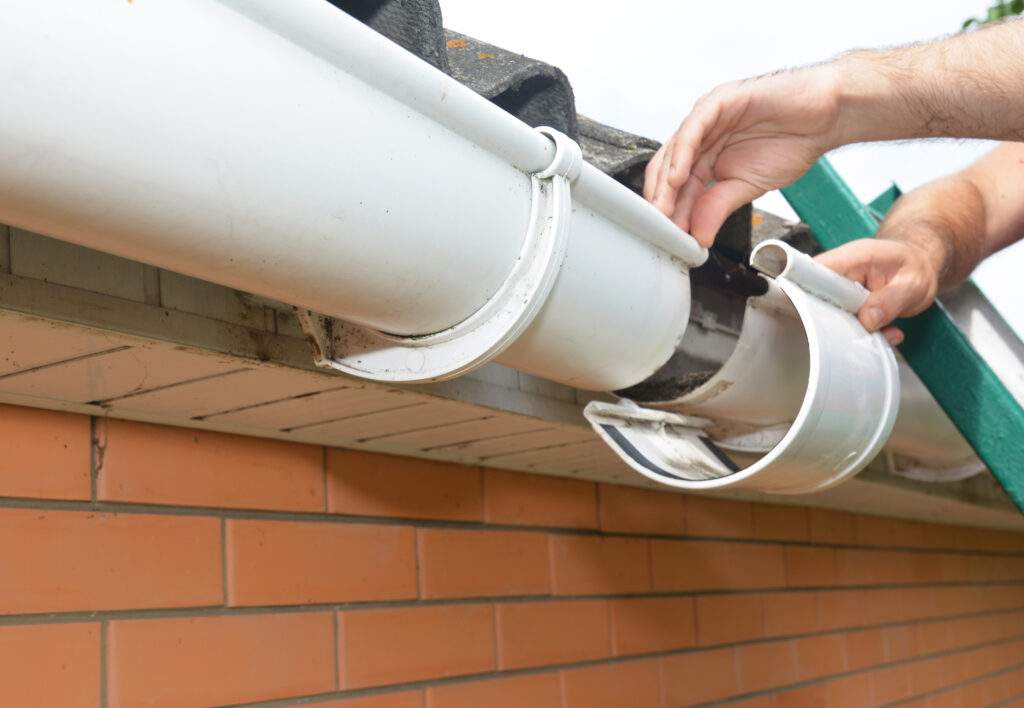
Granules in your gutters are often the first sign homeowners notice. While a few granules are expected, heavy buildup can clog gutters and downspouts.
This leads to water backing up under surrounding shingles, increasing the risk of wood rot, mold growth, and roof leaks along the edges of the roof.
Next Steps for Inspecting Granule Loss in Lexington Homes
Once granule loss is suspected, the next step is understanding how to evaluate the roof safely and accurately. A thoughtful inspection process can prevent further damage.
Visual Checks From the Ground
Start by inspecting your roof from the ground using binoculars. Look for bare spots, uneven coloring, or widespread granule loss on the roof surface. Pay attention to areas below roof valleys and downspouts where granules accumulate.
This approach helps identify early warning signs without risking injury, particularly for homeowners maintaining their roofs in nearby areas like Berea and surrounding communities.
Attic and Interior Inspection
Granule loss often leads to water intrusion before exterior damage is obvious.
Check the attic and upper ceilings for water stains, damp insulation, or signs of mold growth. These interior clues suggest the protective granules are no longer shielding the asphalt roof effectively and may signal the need for proactive roof maintenance.
Scheduling a Professional Roof Inspection
A professional roof inspection provides a clear assessment of how much granule loss is present and whether repairs or replacement are needed.
A roofing contractor can evaluate surrounding shingles, the roof deck, and flashing to determine whether the damage is localized or widespread. This step brings peace of mind and helps avoid unnecessary costs.
Planning Repairs or Replacement
If significant granule loss is found, timely repairs can prevent further damage.
In cases of widespread or rapid granule loss, a complete roof replacement may be the safest long-term solution. Addressing problems early protects your home’s energy efficiency and extends the roof’s lifespan.
Get Expert Help for Roof Granule Loss in Lexington
Roof granule loss can be easy to overlook, but its impact on your roof’s condition is serious. Craftsmen Roofing & Exteriors has helped many homeowners protect their homes since 2007 with professional roofing inspections and transparent recommendations.
Contact us to schedule a professional roof inspection and get clear answers about your roof’s condition.
Frequently Asked Questions
How much granule loss is normal on an asphalt roof?
A few granules washing into gutters after heavy rain is normal, especially on newer roofs or older roofs nearing the end of their lifespan. Excessive or rapid granule loss, however, is not normal and should be inspected.
Can granule loss cause roof leaks?
Yes. Granules protect the underlying asphalt from UV rays and moisture. When shingles lose too many granules, the roof becomes vulnerable to water intrusion and eventual roof leaks.
Does insurance coverage apply to granule loss?
Insurance coverage may apply if granule loss is directly caused by storm damage, such as hail or strong winds. Normal aging and wear are typically not covered, which is why documentation from a professional roofing contractor is important.
When does granule loss mean roof replacement is needed?
Roof replacement is often recommended when granule loss is widespread, bald spots are visible across the roof, or structural damage is present. A professional inspection helps determine whether repairs or a new roof installation is the best option.