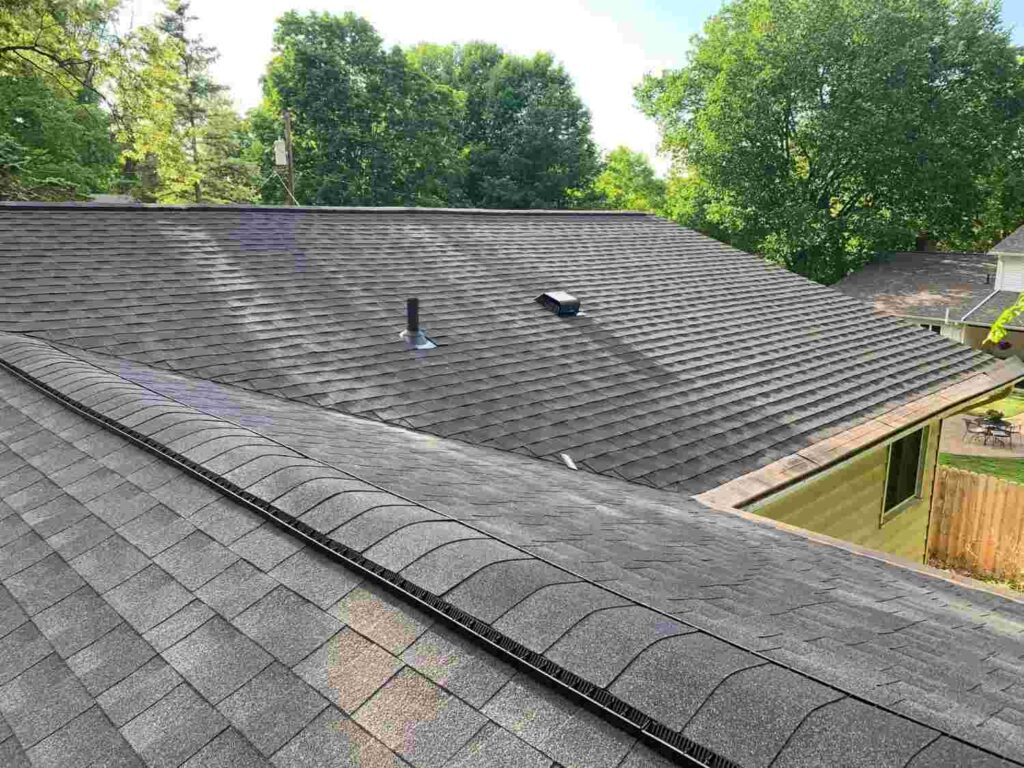

Homeowners in Georgetown, KY, often ask how hail size affects roof damage after a storm. Local weather can shift quickly, producing hail that ranges from harmless to destructive. Understanding how different hail sizes impact roofing materials helps you act quickly and protect your investment. This guide explains real-world damage patterns, what to inspect, and when to act.
Key Takeaways
- Hail as small as one inch can cause noticeable damage to asphalt shingles in Georgetown, KY.
- Larger hailstones increase the risk of granule loss and hidden structural damage.
- Spotting early signs of roof damage helps prevent long-term water intrusion.
- A timely roof inspection after a hailstorm provides clear documentation for insurance claims in Kentucky.
Which Hail Sizes Pose the Greatest Risk to Georgetown Roofs
Even small hail can cause damage, and severity increases quickly as hail size grows. These thresholds help homeowners recognize real storm risk. In Georgetown, KY, even moderate storms can cause damage beyond repair limits.
Pea-Size and Marble-Size Hail
Pea-size and marble-size hail rarely causes immediate roof damage in Georgetown, KY, but repeated impacts wear down protective granules. This gradual loss accelerates aging, especially on older asphalt shingles exposed to Kentucky’s seasonal temperature swings.
Dime-Size to Quarter-Size Hail
Dime- to quarter-size hail often marks the point at which visible damage begins on asphalt shingles. Homeowners may notice light bruising or early granule loss, which reduces the shingle’s ability to shed water over time and may require shingle replacement if deterioration spreads.
Golf Ball-Size Hail
Golf-ball-sized hail poses a serious risk of roof damage in Georgetown, KY, especially during fast-moving spring storms. Impacts at this size can form soft spots, cracks, and deeper granule loss that weaken the roof system and often lead homeowners to consider roof repair options.
Larger Than Golf Ball Hail
Hail larger than golf balls can cause immediate and severe roof damage that Georgetown, KY, homeowners should not ignore. These impacts can fracture shingles, expose underlayment, and damage flashing or vents. This damage increases the risk of leaks and may require a full roof replacement if structural integrity is compromised.
What to Check After a Georgetown Hailstorm Event
Inspect your roof after a storm to catch damage early, and consider scheduling a roof inspection if conditions are unclear. Focus on key areas to prevent small issues from becoming costly repairs. Many Georgetown homeowners reduce long-term damage by acting quickly.
Look for Granule Accumulation in Gutters
After a storm, check gutters and downspouts for excessive granule buildup. This material often looks like coarse sand and signals that hail stripped the protective surface from your shingles, which may also impact overall drainage performance and require attention to your gutter system.
Inspect Shingles for Bruising or Soft Spots
Hail damage is not always visible from the ground, and shingles can suffer internal damage even when they appear intact. Look for dark impact marks, cracks, or areas where granules have been displaced, and gently press suspected spots to check for soft or bruised sections.
These weakened areas can deteriorate faster over time, increasing the risk of leaks and shortening the lifespan of your roof.
Check Metal Components and Flashing
Metal roof components often show hail damage more clearly than shingles, making them valuable indicators of storm severity. Inspect vents, flashing, gutters, downspouts, and other exposed metal surfaces for dents, scratches, or signs of impact. Widespread damage to these components may suggest the roof itself absorbed significant force and should be professionally evaluated.
Watch for Interior Signs of Moisture
After a hailstorm, inspect ceilings, walls, and attic spaces for water stains, discoloration, peeling paint, or musty odors. These signs can indicate that roof damage has allowed moisture to enter the home, even if no exterior issues are immediately visible.
Addressing leaks early helps prevent mold growth, insulation damage, and more costly repairs in the future.
Stop Small Hail Damage From Turning Into Expensive Roof Repairs in Georgetown
Craftsmen Roofing and Exteriors recognizes how quickly minor hail impacts can lead to costly repairs in Georgetown when damage goes unnoticed. Schedule a timely inspection to identify hidden issues, extend your roof’s lifespan, and clearly document conditions so you can make informed decisions. If recent weather has raised concerns, contact us to schedule a professional evaluation and move forward with confidence.
Frequently Asked Questions
What size hail causes roof damage?
Hail can begin damaging roofs at around one inch in diameter. Larger hail increases the risk of bruising, cracking, and granule loss. Roof age and condition also influence how damage develops.
How can I tell if my roof has hail damage?
Look for granule loss, soft spots, and dents on metal components. Interior water stains may also appear. A professional roof inspection after a hail storm provides a clearer view of hidden damage.
Does hail damage always require roof replacement?
Not all hail damage requires replacement, but severe impacts can compromise the roof system. Minor damage may allow repairs, while widespread issues often require replacement to maintain long-term protection.
Will insurance cover hail damage in Kentucky?
Most policies cover hail damage, but terms vary. Proper documentation and a detailed inspection help support claims and clarify coverage limits.